
Care for the elderly: Satheesan sets out plans

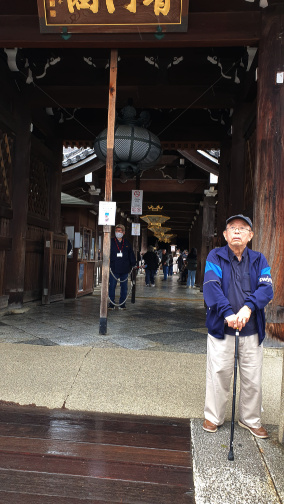
A Japanese elder in front of a temple
An elder in front of Japanese temple

Kerala Chief Minister V. D. Satheesan has announced plans to establish a dedicated government department for the elderly to carry out new schemes to support senior citizens. Though he has not given details of the programmes, he mentioned that it would be modeled on the Japanese system.

The main features of the Japanese model are mandatory long-term care insurance (LTCI), public pension scheme, medical care system for older senior citizens and community based integrated care system. These take care of 90 per cent of medical and personal care needs of people aged above 65. Many of the services reach their doorsteps. The elderly will have to get a certificate based on their level of frailty (similar to disability certificates) to obtain full medical and personal care services. Frailty and prefrailty among older people are assessed and steps to prevent progression to frailty.

Japan is the most aged country in the world. Over the last 75 years the percentage of elderly people among the population in the country has jumped from five per cent to nearly 30 per cent (more than 36 million) and is expected to plateau around 40 per cent in another decade or two.

In Kerala, about 17 per cent of the population (approximately 6.5 million) is now above 60 years of age. This is projected to cross 22 per cent by 2036.

One of the major Challenges to the Chief Minister, who also holds the Finance Portfolio, will be to secure funds for the Department and its programmes. Even a developed country like Japan is struggling to find funds for its programmes. Kerala is currently finding it difficult to pay old age pensions which is often in arrears. This puts many older people in great hardship. One thing that Mr. Satheesan should do is to make welfare pensions a priority and make its payment regular. Now, the first treasury restrictions fall on disbursement of welfare pensions. Instead, welfare pensions should have first claim on budgetary funds.

The second issue will be insurance costs. In Japan, LTCI insurance is covered by premiums paid by citizens during their working years and taxes. Insurance premiums are going up. This could ultimately become a problem for Kerala. Already, multinationals are buying up hospitals in Kerala and insurance is spreading its wings. As much of the healthcare comes under insurance umbrella, much of the competition will disappear and costs will keep going up. Government hospitals will be weakened. The State government will have to keep an eye on this while devising the schemes.

A promising alternative lies in strengthening community-based interventions. Mr. Satheesan has been liberal in granting a ₹ 3000-hike in monthly honorariums of Asha workers. He may be planning to use their services for his schemes for older people. His ultimate test will be finding sustainable funding for meaningful, long-term schemes for Kerala’s senior citizens.

Keralam: Yet another White Paper on Finances in the offing

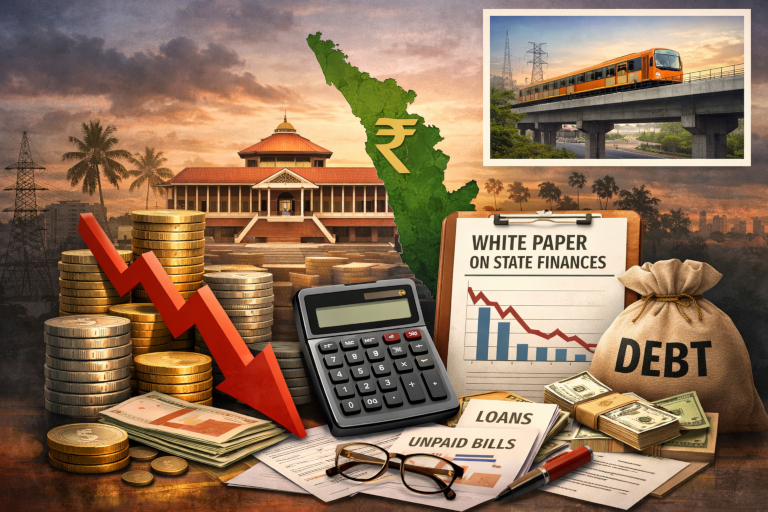
Kerala Cabinet has decided to bring a white paper on the State’s finances. This is expected to present a factual picture of what is widely described as a dire financial situation.

Kerala finances and white paper

Perhaps it was the United Democratic Front (UDF) Government led by A. K. Antony which brought a white paper on State finances for the first time. In one of his early Cabinet briefings in 2001, he lamented that the previous government (Left Democratic Front- LDF) had left the State in a fiscal crisis with no cash balance in the treasury.  Antony was not presenting many details to substantiate his claim which was being contested by the LDF. So, I, who was attending the briefing as a journalist, asked whether his government would bring out a white paper on the State’s finances. He seemed to agree. Some days later a white paper was released. The document listed outstanding payments and liabilities exceeding ₹4,000 crore. This staggering amount included unpaid contractor bills, loans from cooperative banks, and delayed salaries and pensions.

The Antony Government as well as the LDF Government that followed in 2006 did take some measures to improve the financial position of the State. But the results were modest. The UDF again came to power in 2011 and brought a white paper the same year. One of the points listed as gains of the 2001-2006 UDF Government was revenues from Sales Tax/VAT and Motor Vehicle Tax going up by a few percentage points in overall composition of State’s own tax receipts.  The uncovered Budget commitments at the end of LDF rule exceeded ₹ 5000 crore. A major chunk of the revenues as before was going to pay salaries, pensions and interest.

The LDF’s fiscal policy often leaned toward expansive spending, with leaders such as former Finance Minister Thomas Isaac arguing that higher expenditure would spur development. The result of such policies was that State’s debts doubled every five years irrespective of whether the UDF or LDF was in power. After coming to office in 2016, the LDF introduced new mechanisms to mobilize debt outside the Reserve Bank of India’s purview, notably through the Kerala Infrastructure Investment Fund Board (KIIFB). In recent years, the LDF faced criticism for wasteful expenditure—charges the current government now appears keen to highlight. In fact, the LDF too had brought out a white paper back in 2016 with Dr. Isaac as Finance Minister.

The third in the series of white papers by the UDF, that is being proposed now, differs from earlier ones in that the Chief Minister V. D. Satheesan proposes to enlist the services of financial experts from outside the Government too in preparing it. Apparently, the new Chief Minister wants them to suggest corrective measures. Whether he can rein in mounting debts and deficits remains uncertain, but the forthcoming document may offer better insight into options before him.

Sakura: Cherry blossoms of Japan

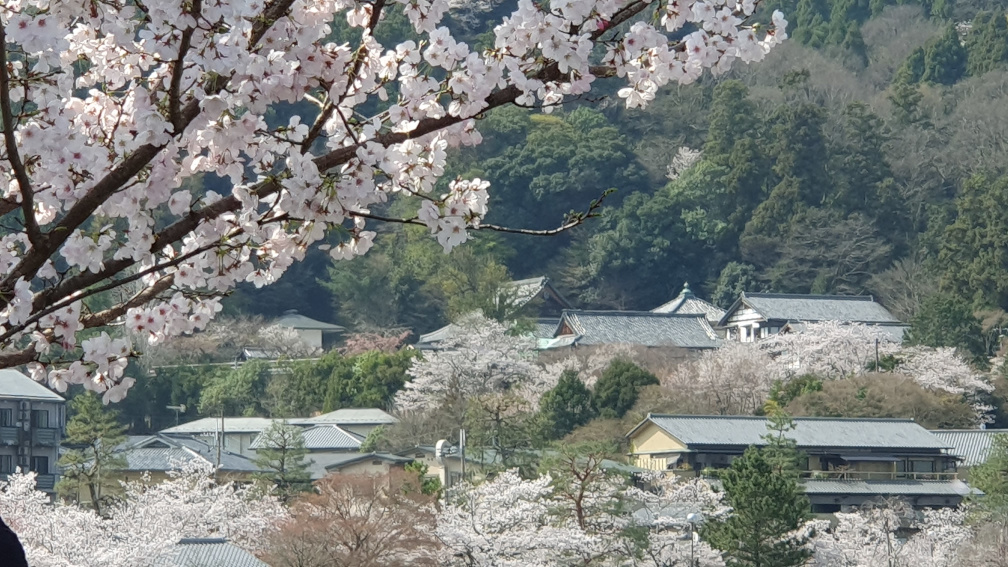
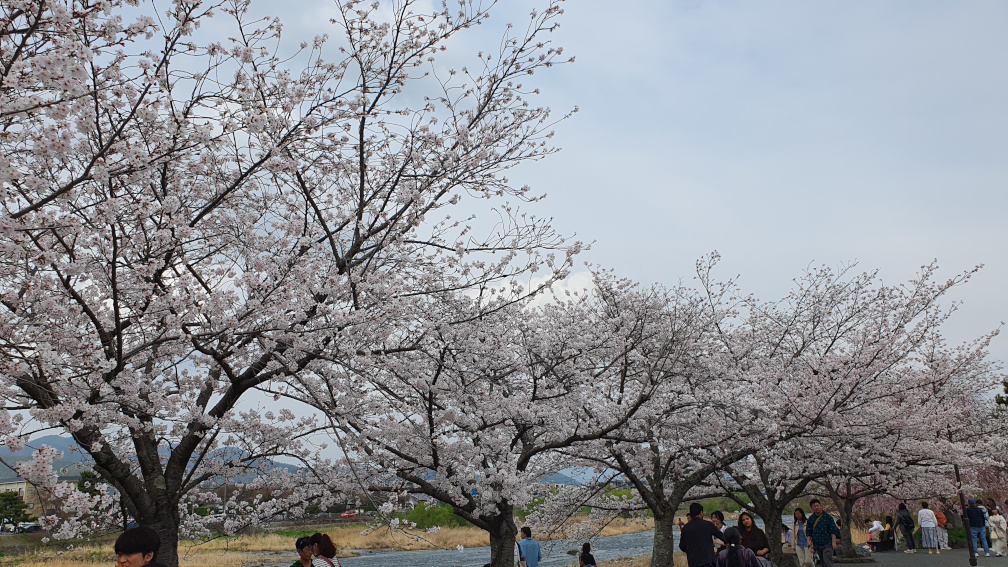
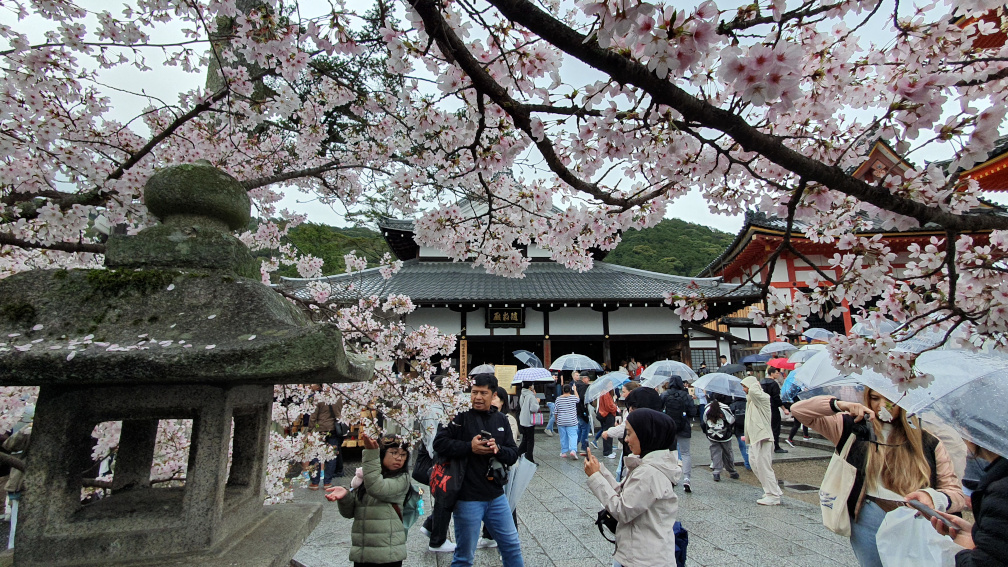
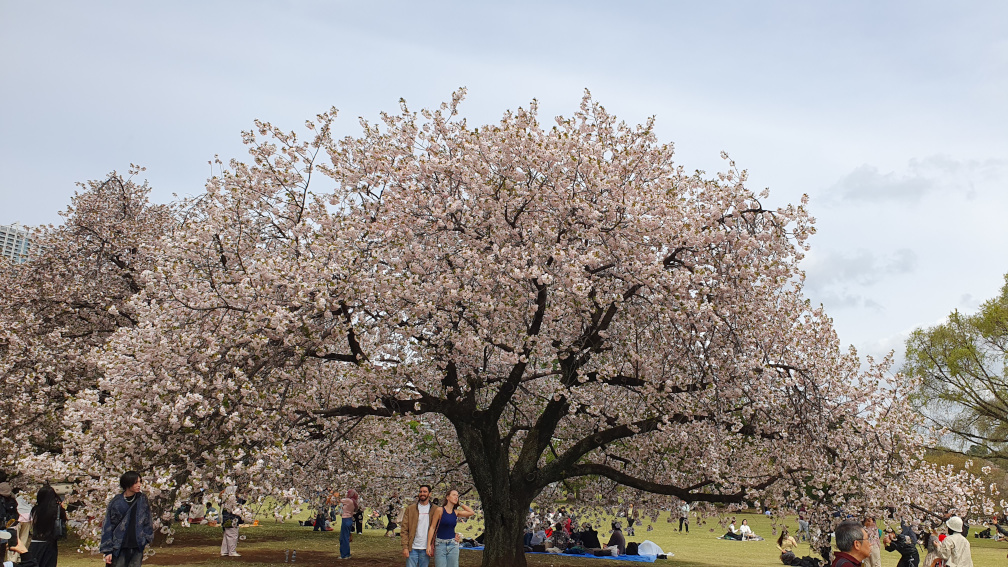
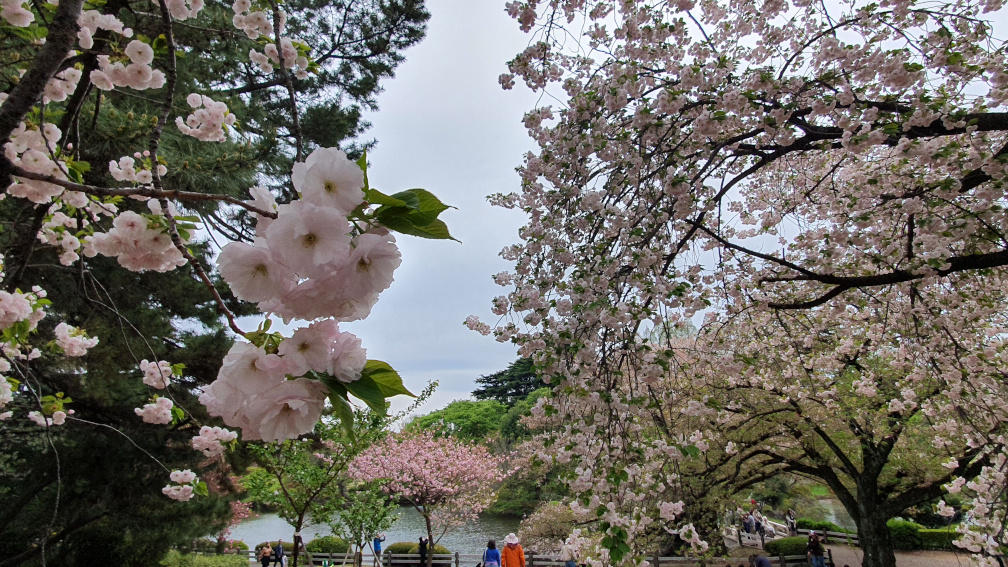
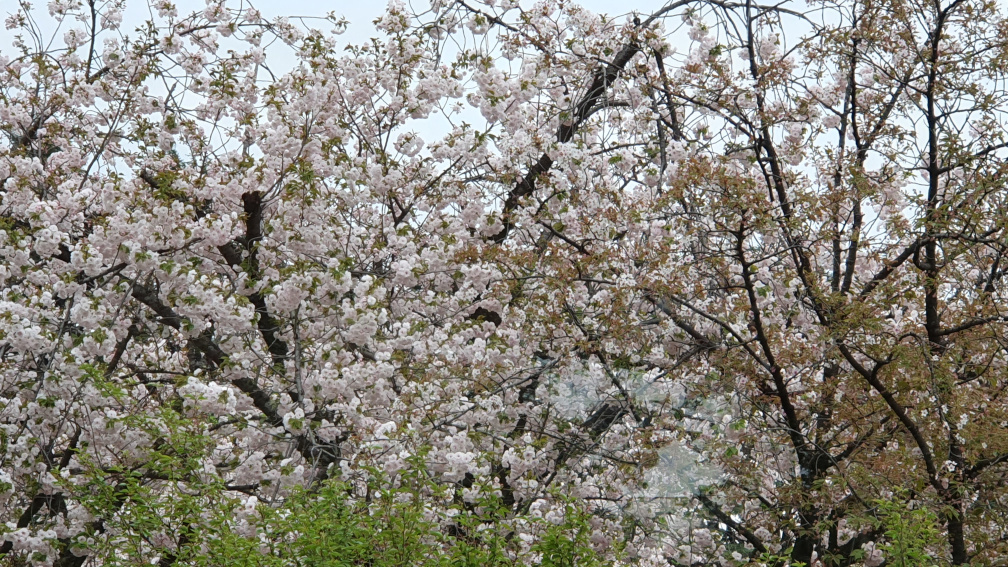
Blooming Sakura trees, the cherry blossoms of Japan, herald the spring in the country, flowering between March and early April. The bloom starts from South of Japan, moving North as the days pass. The flowers will wither away in about two weeks, leaving behind a sight to behold.

Belonging to the genus of Prunus, there are about 10 varieties of wild species native to Japan, such as the Yamazakura and Oshimazakura. However, there are more than 200 varieties of cherry blossoms in Japan, many of which are hybrids or cultivars bred for their beauty. Some put the number even as high as 600. The most common type is the Somei-Yoshino, with its pale pink, five-petaled blossoms. White and rose varieties are also common.

Click to view the image in full view.

The undesignated leader of the Save Kurinji Campaign

He was one of the pioneers. He travelled the breadth and depth of forests in Kerala and campaigned for their protection, especially the shola grasslands that form the habitat of kurinji plant, Strobilanthus kunthiana.

He was all in all of the Save Kurinji Campaign, but would seldom see him in the front line of the campaign march. He organised almost everything regarding the campaigns, but disliked to assume an official designation in the Save Kurinji Campaign Council. When unavoidable, he assumed the title of Coordinator. That was G. Rajkumar, who passed away this morning, the 14th of January 2026.

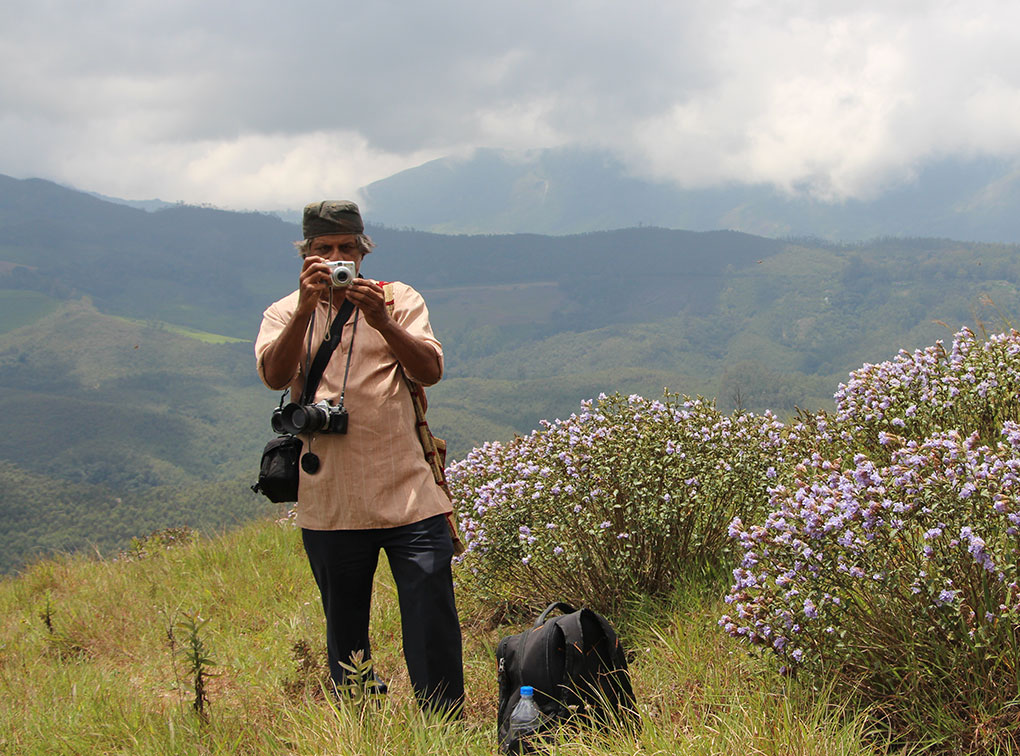
G. Rajkumar amid kurinji plants during Save Kurinji Ccampaign in 2014.         Photo: Roy Mathew
G. Rajkumar amid kurinji plants during Save Kurinji Ccampaign in 2014. Photo: Roy Mathew

The campaign for protection of kurinji and its habitat was one the major environmental campaigns that Kerala saw after the campaign for protection of Silent Valley.

The success of the Silent Valley campaign towards the end of the seventies and early eighties was inspiration for several campaigns such as those for conservation of marine fish resources, protection of water bodies and ending of selection felling in forests and encroachment of forests lands. The Save Kurinji Campaign perhaps came a little late because not much was known at that time about shola grasslands.

The Campaign was started by a group of youngsters in the eighties against background of destruction of the shola grasslands of Munnar and Palani Hills and its flagship species neelakurinji (originally named as Strobilanthus kunthianus) by planters. Many of them were already into environmental campaigns under banner of Asambu Greens and other organisations.

The first of its campaign march from Kodaikanal to Munnar (mostly by foot) in 1989 was inaugurated by none other than Zafar Rashid Futehally  (1920 – 2013), Indian naturalist and conservationist best known for his work as the secretary of the Bombay Natural History Society. The organisation of the march was rather spontaneous, and the Save Kurinji Campaign Council came into being later in the year.

The campaigners, led by G. Rajkumar, marched from Kodaikanal to highlight the loss of sholas to plantations of eucalyptus, wattle and pine. Besides activists from Kerala and Mahe, participants included C. J. John and some members of the Palani Hills Conservation Council, Anand Felix Skaria of Sahyadri Ecology Education and Documentation, activist Israel Bhooshi and even a few English women.

The trekkers walked from Kodaikanal to Poompara, and after reaching Poondi by road, they set out across the kurinji lands that were being converted to plantations. They reached Koviloor via Klavara. Many also walked from Koviloor to Munnar Top Station.

A similar march was taken out the next year. That year (1990) kurinji flowered en masse in some hills near Munnar, close to the tea plantations.

In 1991, the Council in collaboration with Wayanad Nature Protection Council organised a seminar and exhibition at the Bank Employees Union Hall in Thiruvananthapuram against destruction of shola grasslands. This was attended by environmental activists and leaders from different parts of Kerala.

Another seminar, exhibition and slideshow focussing on protection of kurinji plants was organised in 1995. This was attended by poet Dr. K. Ayyappa Panicker, K. V. Surendranath (former Member of Kerala Legislative Assembly), Prof. V. K. Damodaran (former Director, Department of Science and Technology and Environment, Kerala) and Dr. Gloria Sunderamathi (former Professor at the Department of Tamil, University of Kerala). Campaign marches and other programmes were organised in the subsequent decades also. Marches from Kodaikanal to Munnar took place in 1994 and 2006 under joint auspices of the Save Kurinji Campaign Council, the Malabar Natural History Society, Kozhikode, and Munnar Environment and Wildlife Society. Youth from the Malappuram Chapter of Youth Hostels Association used to undertake almost annual pilgrimages to the shola grasslands from 1994 to 2006.

These led to increased awareness about the importance of sholas and their flora and fauna.  Initially, there were only a few studies about sholas. But soon there were several, including a book on shola forest published by the Kerala Forest Research Institute and papers by E. Kunhikrishnan of Department of Zoology, University College, Thiruvananthapuram. There were also writings and studies on the ill-effects of eucalyptus, an exotic species, on local hydrology and environment. The studies and campaigns led to stoppage of eucalyptus and wattle plantations in Kerala and Tamil Nadu though those planted already continued to affect the ecosystem.

In 2006, the Campaign met with its major success with the LDF government declaring 3200 hectares of kurinji habitat near Munnar as Kurinjimala Sanctuary for protection of kurinji and its habitat. The political decision to form the sanctuary came after a group of environmental activists led by poet Sugathakumari met then CPI State Secretary Veliyam Bhargavan and impressed him on the need for formation of a sanctuary to protect the kurinji land. Both the Revenue and Forest departments were under control of CPI Ministers and Mr. Bhargavan played a major role in bringing about a political consensus.

The then Forest Minister Binoy Viswam took special interest in conserving shola grasslands and in expanding the protected areas through formation of the new sanctuary. Before that, the UDF government led by Oommen Chandy had cleared the Kadavari Kambakallu areas of ganja cultivators and set up a forest station at Kadavari. The Palani (Kodaikanal ) Wildlife Sanctuary was formed in 2013 by Tamil Nadu government.

The Eravikulam National Park in Kerala was already a protected area for conservation of shola grasslands. The Year 2006 was one of mass flowering of kurinji in several areas including the Park. The Munnar Wildlife Division of Forest Department paid special attention to keeping the Park free of fires in summer under leadership of Wildlife Warden Roy Thomas.  Protective measures were also extended to the newly formed Kurinjimala sanctuary. This helped in maturing of the seeds of kurinji and its propagation. The demarcation of the boundaries, which had dragged on, was completed a few years ago.

(Part of this article has been published earlier in Aranyam magazine published by the Forest Department of Kerala, India. To read more about kurinji, visit https://kurinji.in)

Orders of Kerala SIC help Election Commission to deny RTI requests for electronic data

Orders of the Kerala State Information Commission have been aiding Election Commission of India in denying RTI requests for electronically processable data on elections in the State since 2021. This was in contrast to stand taken by the Information Commission in 2020.

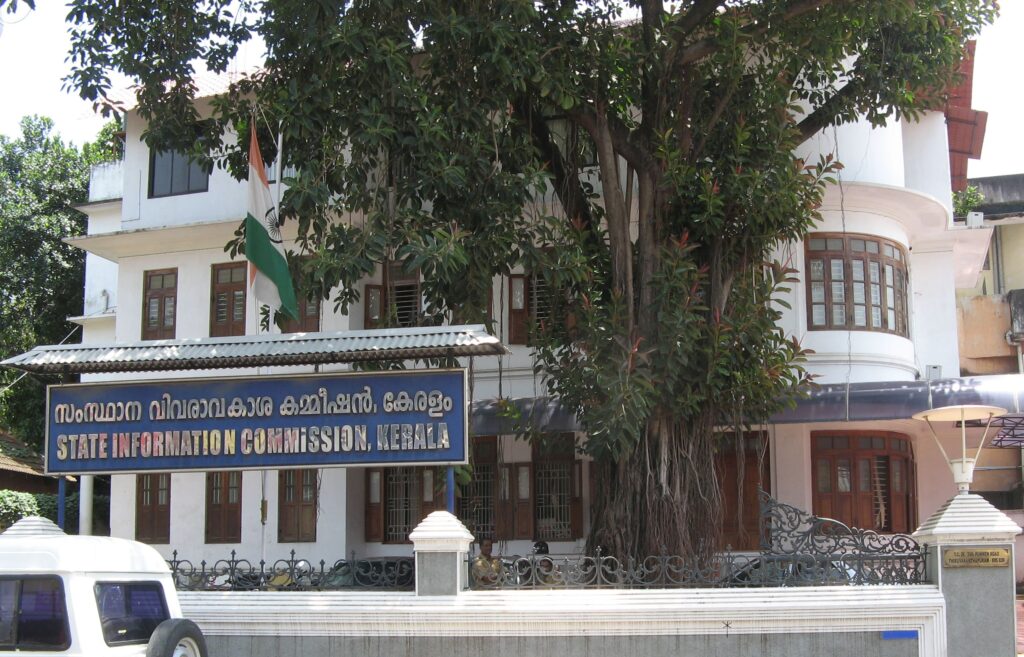
Kerala State Information Commission Office

Vinson M. Paul, then Chief Information Commissioner of Kerala, in an order dated 29/5/2020, had asked the State Public Information Officer in the Office (SPIO) of Chief Electoral Officer (CEO) of Kerala to furnish a sworn-in- affidavit that the data sought under RTI Act on the 2019 Lok Sabha Elections was not available in Excel or Calc format. The SIO did not file an affidavit.

The Commissioner had also directed the SPIO to provide an opportunity to the Appellant (Roy Mathew) to see for himself as to how the data is stored in the the computer system in the office of the CEO and convince himself (sic) of the veracity of the information furnished to him.
Mr. Paul also observed that the contention of the respondents that the reasons for malfunctioning of the EVMs are not available in the Office was not acceptable and ordered them to be furnished to the applicant.

The visit to the CEO by the appellant got delayed over COVID and finally when the computer system was examined, it became clear that the electronic data was accessible to authorised persons in the CEO and could be downloaded in standard electronic formats. Following this, some data was provided.

However, Chief Information Commissioner, Vishwas Mehta, who succeeded Mr. Paul did not insist on the SPIO filing the affidavit and accepted a report that certain data was available only in PDF format. In his final order, Mr. Mehta disposed of the petition citing also the contention of the ECI that database of IT applications such as ERO-Net, ENCORE etc. fall under the intellectual property rights of the Election Commission, therefore the same is exempted from disclosure under RTI Act, 2005.

In response to another request for data of Kerala Assembly elections in 2021 in standard electronic format, the SPIO had again maintained that it fell under the intellectual property of Election Commission of India.

During hearing of appeal petition in the matter before Kerala Information Commission, Commissioner Sreekumar M. suggested that the files could have been provided in the printed format. On January 6, 2025, he ordered that since the SPIO had provided “timely response”, copies of documents in public domain be given to the appellant within 15 days after levying the requisite cost for same.

On February 1, 2025, the SPIO send the appellant a list of documents available with the CEO (apparently only those in public domain) and asking him to remit Rs. 83103 towards costs for supplying the information in print form. The list was not in tune with the request made and did not cover all the items requested.

Under the RTI Act, merely providing a timely response without providing all the information sought does not exempt the Information Officer from the obligation to provide the information free of charge if the response was incomplete or unsatisfactory. Besides, all information with public authorities, other than those expressly excluded from disclosure under the Act, needs to be furnished against RTI requests.

Essentially, a timely response is only one aspect of compliance. The core obligation is to provide the requested information fully and accurately, subject to the exemptions outlined in the Act. The Sate Information Commission is not insisting on that and is arbitrarily restricting the scope of the Act without authority.

This has emboldened the CEO. In response to first appeal relating to requests for information on polling in electronic format, the Appellate Authority C. Sharmila said that Electoral Registration Officer should be approached for information on deletion of names from the voters list and reasons thereof.

(This was despite previous assertions by Chief Information Commissioners Vinson M. Paul and H. Rajveen that the CEO, vested with the responsibility of conducting elections in the State, was the rightful authority to compile and maintain data on the elections).

She also maintained that database of IT applications of Election Commission fell under intellectual property and ECI does not provide data to the public on reason for replacement of electronic voting machines (during polling).

The Election Commission and the State Information Commission ought to reconsider its stand in view of the Supreme Court interim order on intensive revision of voters list in Bihar.

The operative part of the order in para seven limits documents required to be provided under the RTI Act to those in the public domain. (This is when RTI requests are not usually made for documents in public domain.) It also contravenes Section 7(6) of the RTI Act that mandates furnishing of information free of charge if there has been a delay of more than 30 days. Here “timely response” by SPIO is indicated as reason for ordering costs. Besides, the request for providing data in electronic format is circumvented.

Caverns are a sight to behold

Caverns are a sight to behold.  This gallery features pictures of Luray Caverns in the United States; more precisely in Shenandoah Valley of Virginia State which itself is famous for its scenic trails and the Shenandoah National Park.

Scientists estimate the caverns to be as old as 450 million years or so.  The formations are the work of water mixed with carbon dioxide (mild carbonic acid) sweeping through limestone layers and dissolving away the weaker minerals while leaving the harder ones behind. As water continues to drip through the chambers, carbon dioxide is released and the dissolved minerals in the droplets crystallises. (The resulting formations are called speleothems.)

The process is so slow that the formations grow only at one cubic inch over 120 years. Flow stones in the caverns, formed when water seeps down a wall or over a cave floor depositing layers of minerals, grow at even slower rate.

Cave formations in Luray have been named after its shape and other features such as Amphitheatre, Dream Lake and Cathedral. The deepest part of the caverns is 164 feet below the surface of earth.

Vandana Das Bill— Will Tharoor bat for the Patients too?

The Kerala Government recently enacted an amendment to the Kerala Healthcare Service Persons and Healthcare Service Institutions (Prevention of Violence and Damage to Property) Act that prohibits violence against healthcare service persons and seeks to prevent damage and loss to property in health care service institutions.

Patients

Now, Shashi Tharoor, Member of Parliament from Thiruvananthapuram, is moving a similar legislation as private members’ Bill in Parliament, nicknamed Vandana Das Bill.

These legislation are unnecessary and in certain respects negate equality before law, enshrined in the Constitution.

It is notable that the Centre had proposed a similar legislation in 2019. However, after obtaining public opinion, the Ministry of Health and Family Welfare decided to dump the legislation. The Home Ministry, during inter-ministerial consultations over it, had stated that there cannot be a separate legislation to protect members of a particular profession, according to news reports in 2022.

Dismissing the need for a separate law to check violence against members of a specific profession, the Home Ministry said there should be no specific law for a particular profession, and the Indian Penal Code and Criminal Procedure Code were sufficient to deal with it.

It noted that over the time, members of other fraternity like lawyers and police might also demand for an exclusive law to safeguard their interests.

Though the Ministry did not say so, other groups such as journalists too could make such demands.

On a higher pedestal:
The enacted and proposed legislation place health service persons on a distinct legal position higher than the ordinary citizens. This is similar to prescriptions in Manusmriti that granted Brahmins elevated legal status. Indian Constitution does not recognise such treatment. In normal jurisprudence, a crime committed under emotional stress attracts lower punishment than a pre-meditated crime.

The parent Kerala Act was enacted back in 2012, following protests by doctors. The present amendment was to enhance period of imprisonment and fine and include more categories of health care personnel under the protection of the law. They included security personnel who, in many cases, are outsourced by the hospitals. There is also the provision that the offender shall pay the health care service institution twice the amount of purchase price of medical equipment damaged and loss caused to the property as compensation. It is not clear why the health care service institution should get such a compensation which is not available to other institutions. Even if old or non-working equipment is damaged, it may be possible to recover such damages and this could lead to misuse of the legislation.

It is notable that the Kerala Amendment (enacted as an Ordinance with Bill to replace it before the Kerala Assembly now) was brought against the background of tragic murder of a young doctor Vandana Das at Kottarakkara Taluk Hospital by a patient, brought in by the police. The motive was not clear and it was suspected that the assailant was mentally unstable or addicted. The only thing was that the crime took place in a hospital.

Dr. Tharoor also cites this incident in his statement of objects and reasons for his Bill. The narrative is bogus. Dr. Tharoor is just cashing in on the protests by doctors and public sympathy for the family of the deceased. The incident took place basically because the police, security staff or others failed or did not care to restrain the attacker who was using just scissors for the attack. It was not related to an issue over treatment.

Enforcement is the key
Legislators often propose special legislation and enhanced punishment, for crimes that attract public protests or concern, to deflect attention from failures on the enforcement front. Though the Kerala Act was in force since 2012, it is said that hardly any successful prosecution had taken place so far, and the cases of violence against health personnel are on the increase.  So, the political ploy to neutralise public concerns is to bring new legislation or increase of the quantum of punishments. Examples to this are the Goonda Act and modification of the law and quantum of punishment for sexual violence against women. However, goondaism or violence against women has not come down.

Exploitation of patients
Violence against hospital staff have increased against the background of increasing exploitation of patients by hospitals. If indeed special legislation is needed for healthcare personnel, what the government and Dr. Tharoor should answer is why similar special legislation is not being proposed for protection of patients also. Recently, the High Court had ordered arraignment of several doctors after the court found evidence that a patient was left to his death by the doctors for harvesting of his organs.  

It is not easy for patients or their relatives to bring doctors to book in such cases or medical negligence. In this case, it became possible because a doctor came forward to exposes that and several other cases. The number of cases he is citing is not small.

A patient in ICU or in the operation theatre is highly vulnerable. Enhanced punishments had been specified for sexual crimes by those in authority. Is not similar provisions needed in the case of doctors and nurses too for wilful negligence or trafficking in human organs, stem cells or embryos?

Link to original Act: https://www.indiacode.nic.in/handle/123456789/12382?view_type=browse&sam_handle=123456789/2516

Thrikkakara By-election Victory: Factors that helped Congress

Thrikkakara is a pro-UDF constituency. So, there is little reason to probe why the UDF candidate Uma Thomas (INC) won the by-election from there.  Benny Behnan (INC) had won from the constituency in 2011 with a margin of 22406 votes. Uma’s husband P. T. Thomas (INC) was elected from the constituency in 2016 and 2021, with decent margins. So, it was no surprise that she won on Congress ticket from the constituency. What needs to be analysed is how she garnered a record margin of more than 25000 votes.

In his death, P. T. Thomas had gained a ‘larger than life image’. The adulation he got surely helped his wife to surpass his majority. Her candidature had become an automatic choice for the Congress. That also kept possible challengers from within the party at bay, barring a few like K. V. Thomas. This resulted in the Congress election machinery working unitedly, without faction fights. Both the KPCC President K. Sudhakaran and Opposition Leader V. D. Satheesan provided able leadership for the campaign and even their detractors joined in.

On the other hand, the selection of candidate had become a bit controversial for the ruling Left Democratic Front with last minute induction of Jo Joseph. He failed to make a first impression and all in the CPI (M) were not happy with the selection and manner in which the campaign was conducted. The dominance of the State leadership in the campaign side-lined local leaders who could have been effective in grass-root level campaign.

Efforts at social engineering and communal polarisation by both the CPI (M) and BJP failed. The BJP suffered a loss in its votes share and lost its deposit. Political parties in Kerala are to realise that attempt for communal polarisation is a double-edged sword.

However, a major factor that boosted the vote share of Congress was the absence of Twenty 20 Party in the elections. The party had aligned with the Aam Aadmi Party but had decided not to field a candidate.  Twenty 20 had won 13897 votes from the constituency in the general elections to the Assembly in 2021. These votes apparently have gravitated towards the UDF this time. Its leader Sabu M. Jacob (KITEX) had hinted in favour of UDF though there was bitter antagonism between him and late Thomas. But more than any hint from Sabu, those who voted for Twenty 20 and AAP were people who cannot be herded (Kunnamkulam constituency, where voters benefit from funds from KITEX indeed present a different picture.) They take independent decisions, and LDF policies apparently antagonised them.

Finally, there was a sentiment against Chief Minister Pinarayi Vijayan who said that the by-election gave an opportunity for the voters to correct their mistake of electing Congress candidate P. T. Thomas.  The voters clearly chose to repeat the ‘mistake’.

It will be a folly to build new dam at Mullaperiyar

The proposal for a new dam at Mullaperiyar is not in the best interests of Kerala. It should press for phased decommissioning the dam while ensuring water supply to Tamil Nadu, at least for a few decades in reduced quantities.

A new dam means handing over the problems to another generation, about 50 to 100 years from now. This is also what the Maharaja of Travancore did by leasing land for 999 years. But that was because his hands were forced. Kerala has to see that this would not happen again.

Feasibility of new dam
Mullaperiyar dam site is in a seismically active area. Even though technologies are now available to build earthquake-resistant dams, it is still advisable not to build dams near fault lines. The area also falls in the Periyar Tiger Reserve and National Park. Various clearances including forest clearance will be required to build a dam there. An environmental impact assessment will have to be done and this is not going to be very favourable. The Gadgil Committee on Western Ghats has already called for decommissioning of old dams on the Ghats. Construction of new large dams on the Ghats is no more considered an environmentally sound proposition.

There are actually few locations along the course of the river for building a new dam. The one proposed is downstream of the present dam on land not leased to Tamil Nadu. Kerala is already saying that it would build new dam on its own and will not be willing to lease additional land to Tamil Nadu. Tamil Nadu will object to its losing ownership and control over the dam. Use of this land will require denotificaton of the sanctuary area required for expanding the reservoir. This, in turn, necessitates a resolution by the Legislature and approval by the Centre.

New technologies will be needed if Tamil Nadu proposes to build a dam upstream of the present one and even that will require negotiation of a new agreement between Tamil Nadu and Kerala and environmental clearances. There will be specific objections to building dams that will store water above the current full reservoir level which is fixed at 142 feet by the Supreme Court. The negotiations between Kerala and Tamil Nadu can prolong for any number of years, given their history of reviewing the Parambikulam-Aliyar Project agreement.

The construction activity, once started, is going to cause serious disturbance to wildlife in the area. This will hinder environmental clearances and invite protests. Issues like lower riparian rights of Kerala too have to be considered while proposing a new dam. (Lower riparian rights are internationally recognised. They, among other things, specify that a certain amount of water should be allowed to flow down while damming a river.)The adequacy of spillways of Idukki dam to handle additional flow too will have to be considered, especially in view of the recent change in weather patterns.

In fact, there is hardly any justification for building a new dam in national park on the Western Ghats. Full scale inter-basin diversion of river waters is not permissible even in other areas these days.

Kerala’s incapacity to build dam
Though Kerala says it can build the dam, the work would have to be entrusted to an outside party, probably to a multi-national consultancy and dam-builders. The State Water Resources did not have the capability to build such a dam in a time bound manner. Two its last projects, Edamalayar and Kallada were plagued by cost and time over-runs and corruption. The State Electricity Board too doesn’t have experienced engineers for this work, though it once had the capability. (The Board neglected its civil wing and engineers who have designed and executed large dams have all retired). The State Public Works Department is recently in the lime light for faulty construction of buildings and bridges and corruption.

Though a former Water Resources Minister had boasted that the dam could be completed in a year, nothing like that is ever going to happen in that Department. We have engineers who always stated that the Mullaperiyar dam is unsafe but could not prove before the Supreme Court that a 120-year-old dam posed sufficient risk to attract the precautionary principle! (So, the government thought that a retired jurist, who incidentally believed that the dam would be safe for another 100 years, was a better option to represent Kerala in the Committee set up by the Supreme Court.)

Phased decommissioning
Given this scenario, the best option is to press for phased decommissioning of the old dam. Tamil Nadu has not so far accepted Kerala’s long standing demand for new dam. So, it is time that Kerala focus on the demand for decommissioning of the dam and not fall into the trap of building a new dam.
Former Union Secretary for Water Resources Ramaswamy R. Iyer has said that it will be a folly to build a new dam on Mullaperiyar. “We can start thinking of phasing it out. That means giving people time to get adjusted to this idea and seek alternative sources of economic activity, and perhaps a different pattern of development that does not require so much water,” Mr. Iyer said in an interview to Frontline magazine published in December 2011.
“Accept the fact that the dam is not going to be permanent. Explore alternative means of supporting the livelihoods of people who will be affected by the phasing out of the dam,” Mr. Iyer said.
The phased decommissioning of the dam, which he suggests, will not be without problems. Currently, there is no means to lower the reservoir level of Mullaperiyar dam beyond 136 feet other than drawing of water through tunnels by Tamil Nadu. This is because the saddle spillways are at 136 feet. The capacity of tunnels is limited to 2200 cusecs and will be inadequate to manage flows caused by floods which will exceed the capacity of tunnels.
There is a proposal that Tamil Nadu should build a new intake tunnel at the level of 50 feet from the base. (The present intake is at 104 feet and water below this level could not be drawn). The techno-economic feasibility of this proposal has been questioned by some engineers. But new technology may help, though it may be costly. The Mullaperiyar dam does not have a sluice gate at the bottom for emergency discharge of water. There was a proposal for a tunnel to downstream of Mullperiyar River for discharge of water, but it has not come up for serious consideration despite the risks posed by the dam.
It is often convenient for Kerala politicians to call for new dam. But the proposal does not suit current thinking on environment and river management. Building a new dam will be a folly as pointed out by Mr. Iyer. Instead of undertaking such a foolish proposal, Kerala should demand a time table for phased decommissioning of the old dam.

Related link: A dam has a life— Frontline report, December 2011.

The flight of capital, talent and workforce

The flight that took industrialist Sabu M. Jacob from Kerala to a warm reception in Telangana is a microcosm of what is routinely and often silently happening in Kerala.

Capital, talent and workforce have been leaving Kerala over decades.  The best efforts to industrialise Kerala took place in the last few decades of Travancore Government. Subsequent democratic governments only saw the decline of traditional industries. The first major industry to move out of Kerala in a significant manner was the cashew industry. The coir industry declined, but remained in the State like the wood industries as it is not easy to shift the raw materials from Kerala.

Kerala has always lagged in manufacturing. Service industries dominated; but that needed money to come in from outside either in the form of remittances from Keralites working outside or tourists. What distinguishes Sabu Jacob’s Kitex Garments is that it is a rare (for Kerala) 100 per cent export-oriented manufacturing unit in the State.

A unit of Kitex group

One of the major constraints for manufacturing units in Kerala is environmental factors.  And the major allegations being raised against Kitex Garments and related companies is that it is polluting a river, and that it is not paying minimum wages.  But to a neutral observer, it is clear that Kitex is the least polluting of several major industrial units in Ernakulam district. Clearly, there is selective amnesia from the part of officials and politicians. It is not clear whether Kitex did not pay minimum wages to any particular section of the workers. But generally, the workers there are satisfied about their wages.

Militant trade unionism, which is fortunately on the decline now, and greedy full-time politicians have been the bane of all industrial enterprises in the State. There are signs that the latter too may face a decline in the future. In fact, the fight between Sabu Jacob and politicians from both the ruling and Opposition fronts is a political fight—a backlash, at least from a few entrepreneurs, to the exploitative tactics of politicians.

Twenty20
Sabu Jacob had floated his own political party Twenty20 to fight the situation. He captured control of several panchayats from regular politicians, and fielded candidates from eight constituencies in the last Assembly elections. His candidates failed to win in the Assembly elections because the entrepreneur failed to take certain things into consideration that makes a successful political campaign.

His selection of candidates was something similar to his company selecting it managers. The candidates were qualified but lacked popularity. If Twenty20 had fielded actor Sreenivasan or had roped in technocrat E. Sreedharan, the outcome might have been different.

Their campaign style too was defective. The candidates often started speeches with their biodata and there were not many local people accompanying them during house-to-house campaigns. Sabu Jacob’s speech showed feudal tendencies– he often reminding people of the services of his father and family. He also declared that it was in people’s interest to vote for Twenty20 (as they were benefiting from his hand-outs and good governance in the panchayats) and he would go his away if his party was defeated. This was when the biggest stake holder was Mr. Jacob himself. The party had no declared policy on most subjects or position on hot topics in the State.

But Mr. Jacob always stressed the need for creation of employment in the State and highlighted the flight of the youth from the State for jobs outside the State.

Migration of workforce
What the party was raising was something that should have been serious concern to the State for long. Early migration from Kerala started to Burma (now Myanmar) and Malaysia before independence.  After independence, small numbers of people were migrating to the United States, Canada and European countries. But it was the construction boom in the Gulf in the seventies and eighties that turned migrations into a flood. Now people also migrate to Australia and New Zealand.

According to government agency NORKA, about 40 lakh Keralites are now working abroad. While those in Gulf countries will return, almost all of those migrating to developed countries will never return.  Number of Keralites working in other States is given as 13.74 lakhs.

According to 2011 census, the total workforce in Kerala is about 116 lakhs which comes to 34.78 per cent of the population.  (This means that, on an average, one employed person supports two others). This is apparently against the resident population.  But as many as 63.74 lakh people work outside Kerala. This means that about a third of the State’s actual working population is forced to seek jobs outside the State. This is a serious situation which needs to be corrected urgently.

Tailpiece:
Whatever the political parties in the State are saying against Kitex Garments, the investors are supporting the company deciding to have investments in Telangana. The price of shares of Kitex Garments shot up by about 80 per cent in three days after Sabu Jacob left for Telangana. On July 13, there were no sellers for the share, indicating that the share price may go up further.
It is indeed a vote of confidence for Telangana and the negative vote for industrial climate in Kerala.

Additional information update
The company has filed a case against revision of minimum wages to the workers. The case is pending decision.

Congress MLA P. T. Thomas has told the media that the company has not installed reverse osmosis plant at its factory as agreed to a meeting called by K. Babu who was Minister in 2012. Why the UDF and LDF governments had not enforced the decision is a larger question.

It is alleged that there is discrimination against non-supporters of Twenty20 in the Kizhakkambalam panchayat and that the panchayat authorities do not attend certain meetings attended by local member of the Assembly.

Further update (16-3-24): The Contribution of Rs. 30 lakhs made by Kitex group to CPI(M) and contributions to others through electoral bonds amounting to Rs. 25 cr. indicate that Sabu cannot possibly be trusted by voters. In these days of political and financial blackmail, Sabu’s threat to disclose details against Chief Minister’s daughter– instead of releasing the information for public good, offers nothing better.

Update 23/1/2026: With Twenty20 joining the NDA, it has just become another political party with a difference– party with business interests behind it. Like several other parties it lacks internal democracy.